
LTV:CAC Ratio for Early Startups in 2026: Benchmarks and Playbook
In the high-stakes world of early-stage startups, the LTV:CAC ratio remains one of the clearest signals of whether your business model can actually scale. For pre-seed and seed companies in 2026, hitting the right balance between lifetime value and customer acquisition cost isn’t just nice-to-have—it’s runway insurance. Investors now expect founders to demonstrate not only product-market fit but also early unit economics that suggest capital efficiency before the next round.
Across SaaS, marketplace, and consumer apps, the benchmarks have tightened compared to previous years. Capital is more selective, and burn multiples are under scrutiny. A healthy LTV:CAC ratio gives you breathing room to iterate while proving that every dollar spent on growth can eventually return more than it costs.
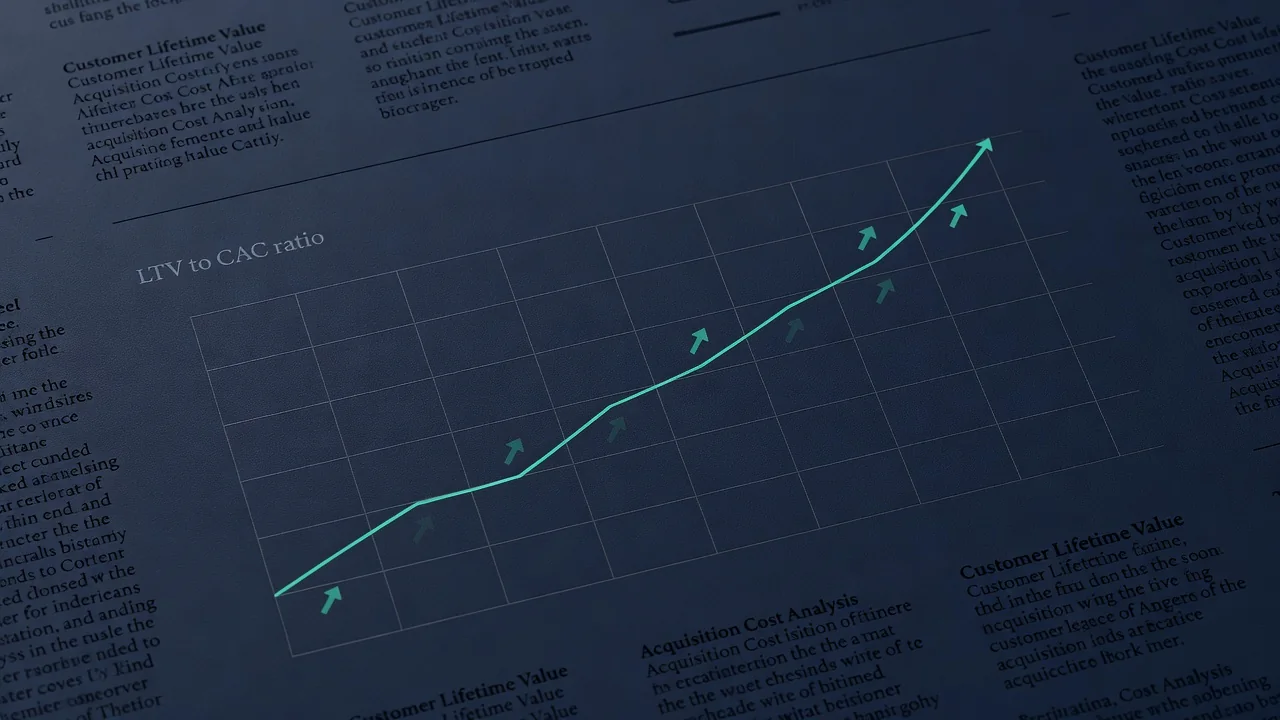
2026 Benchmarks by Stage and Model
Pre-seed startups are typically operating with limited data, so expectations are more forgiving but still directional. A ratio above 2:1 is considered promising, while anything below 1.5:1 raises red flags about either pricing power or acquisition efficiency. Seed-stage companies, with more traction and usually some paid acquisition, should target 3:1 or higher to convince investors the model is repeatable.
SaaS businesses continue to lead with stronger ratios thanks to recurring revenue and higher retention. Marketplaces sit in the middle, often struggling with supply-side costs that inflate CAC. Consumer models face the toughest path—high churn and expensive user acquisition through social platforms frequently push ratios below 2:1 unless virality or network effects kick in early.
| Stage & Model | Healthy LTV:CAC (2026) | Warning Zone | Ideal Target |
|---|---|---|---|
| Pre-seed SaaS | 2.2:1 – 3.5:1 | <1.8:1 | 3:1 |
| Seed SaaS | 3.0:1 – 4.5:1 | <2.5:1 | 4:1 |
| Pre-seed Marketplace | 1.8:1 – 2.8:1 | <1.5:1 | 2.5:1 |
| Seed Marketplace | 2.5:1 – 3.5:1 | <2:1 | 3:1 |
| Pre-seed Consumer | 1.5:1 – 2.5:1 | <1.3:1 | 2.2:1 |
| Seed Consumer | 2.0:1 – 3.2:1 | <1.8:1 | 3:1 |
A Practical Framework to Improve Your Ratio
Improving LTV:CAC before you exhaust your runway requires deliberate experimentation across three levers: pricing, retention, and acquisition efficiency. Start by auditing your current payback period. Most seed investors in 2026 want to see CAC paid back within 9-12 months for SaaS and under 6 months for consumer plays.
Pricing experiments deliver the fastest impact. Test tiered plans that capture more value from power users without scaring off early adopters. One pre-seed SaaS team we tracked increased average contract value by 38% simply by introducing an annual billing incentive and a mid-tier “growth” plan. Retention tactics compound over time—focus on in-product onboarding sequences, personalized check-ins, and usage-based nudges that lift 30-day retention by even 10-15 percentage points. That directly expands LTV without adding acquisition spend.
- Map your acquisition channels by true marginal cost, not blended averages
- Double down on the two highest-ROI channels before testing new ones
- Build referral loops that reduce CAC by 20-40% in marketplace and consumer models
- Segment customers by cohort to identify which pay back fastest
- Run pricing tests every 60 days until you find the sweet spot
Putting It All Together Before Runway Runs Out
The most successful early startups treat LTV:CAC improvement as a weekly operating metric, not a quarterly report card. Set a baseline in month one, then assign clear owners to each lever—pricing to the CEO or head of product, retention to customer success, and acquisition efficiency to growth leads.
By the time you reach seed, aim to show consistent month-over-month improvement in the ratio alongside growing revenue. In 2026’s tighter funding environment, founders who can articulate exactly how they moved from 1.8:1 to 3.2:1 through concrete experiments stand out. The playbook is straightforward: measure ruthlessly, experiment weekly, and prioritize the changes that move the needle on payback period first. Your future fundraising rounds—and your company’s survival—depend on it.