
Early Startup Retention Playbook: Keep First Customers in 2026
In the high-velocity world of 2026 startups, acquiring users has never been easier—or more expensive. What separates thriving companies from those burning cash is retention. The first 100 customers are your most valuable teachers and revenue source. Lose them, and your growth story collapses before it begins. This playbook gives founders concrete steps to diagnose leaks, fix onboarding, and build feedback systems that turn early users into loyal advocates.
Retention isn’t a “nice-to-have” metric anymore. With rising CAC driven by saturated ad platforms and AI-powered competitors, payback periods have stretched. Founders who master early retention see LTV climb 2–3x within the first year, creating breathing room to experiment and scale sustainably.
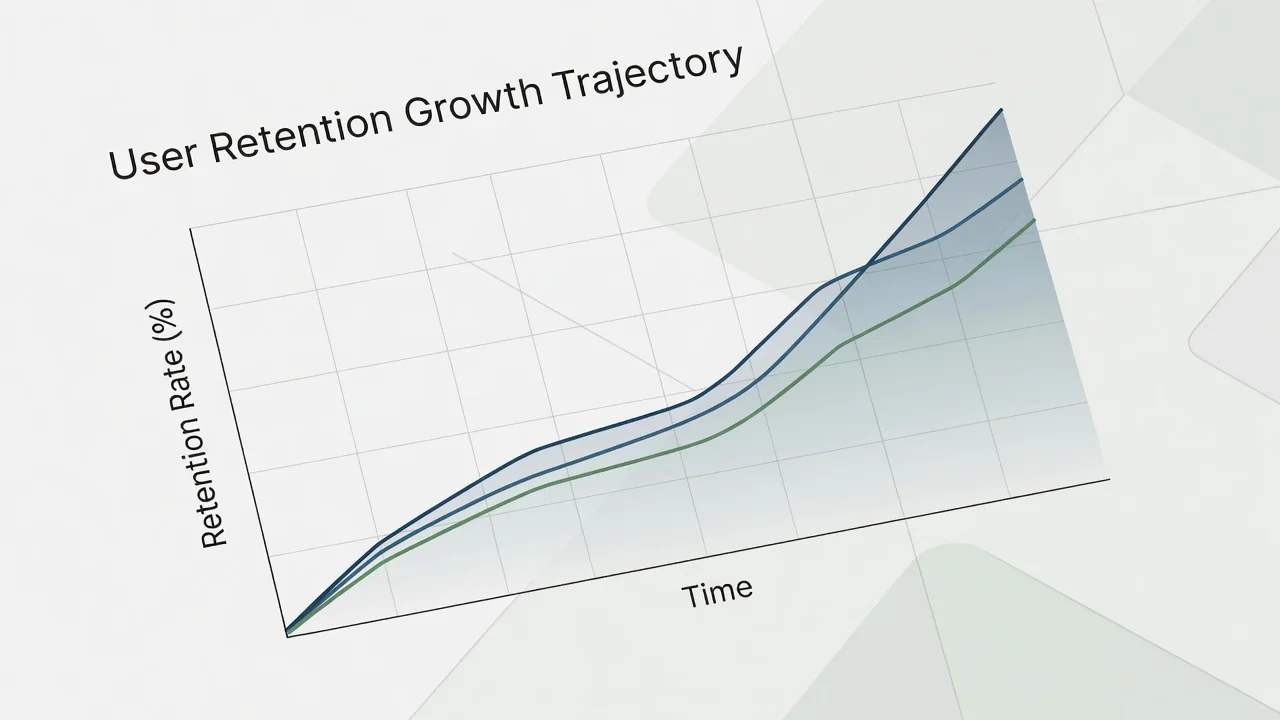
Diagnosing Retention Problems Fast
Start by segmenting your users ruthlessly. In 2026, generic cohort analysis is outdated. Break down your first customers by acquisition channel, company size, industry, and usage trigger. Tools like Mixpanel or Amplitude now integrate with AI that surfaces “aha moment” patterns automatically. Look for where drop-off happens: day 1, day 7, or day 30. If 40% of sign-ups never activate a core feature, your problem is onboarding, not product-market fit.
Run a “retention autopsy” every two weeks. Pull the last 50 churned customers, watch their session recordings, and note friction points. Common 2026 culprits include overly complex AI configuration steps, unclear value during free trials, and missing mobile experiences. Document these in a shared “friction log” that the whole team can reference.
Quick-Win Onboarding That Sticks
Effective onboarding in 2026 is progressive and personalized. Ditch the 12-step wizard. Instead, use behavioral triggers to surface the next best action. A SaaS founder we advised reduced time-to-value from 18 days to 4 by implementing a “guided success path” that adapts based on user role and industry.
Key tactics that work right now:
- AI-powered welcome messages that reference the exact problem stated during signup
- One-click templates tailored to the user’s vertical
- Embedded micro-videos under 45 seconds showing real customer outcomes
- Weekly “momentum emails” celebrating small wins with usage streaks
Measure success not by completion rate but by whether users reach the activation event within seven days. When activation jumps from 22% to 61%, payback periods typically shrink by 40%.
| Metric | Before | After 8 Weeks | Impact |
|---|---|---|---|
| Day-7 Retention | 31% | 58% | +87% |
| Avg. Time-to-Value | 17 days | 5 days | -71% |
| LTV (12-month) | $4,200 | $9,800 | +133% |
| Payback Period | 9.2 months | 4.1 months | -55% |
Building Feedback Loops That Drive Loyalty
Retention compounds when customers feel heard. In 2026, the best founders run continuous dialogue instead of quarterly surveys. Implement in-app sentiment prompts triggered by usage patterns—after a user completes their fifth project, for example. Combine this with bi-weekly 15-minute “customer council” calls with your top 10% of users.
Use the feedback to ship micro-improvements weekly. Nothing builds loyalty like seeing your suggestion implemented in days. Track “feature adoption from feedback” as a leading indicator. Teams that close this loop see net promoter scores rise above 60 and churn drop below 5% monthly.
Finally, connect retention directly to your financial model. Update your LTV calculations monthly using actual retention curves rather than industry benchmarks. When your payback period falls under five months, you unlock the ability to invest more confidently in growth channels. The early customers you keep today are the ones who will fund your expansion tomorrow.