Growth Loops That Scale Beyond First 10 Customers in 2026
Most founders nail their first ten customers through sheer hustle—cold outreach, founder-led sales calls, and personal networks. But scaling beyond that point demands something different: growth loops that feed themselves without constant manual effort. In 2026, the smartest teams are designing systems where every new user or sale naturally generates the next wave of acquisition, retention, or revenue. These loops turn one-time transactions into compounding engines.
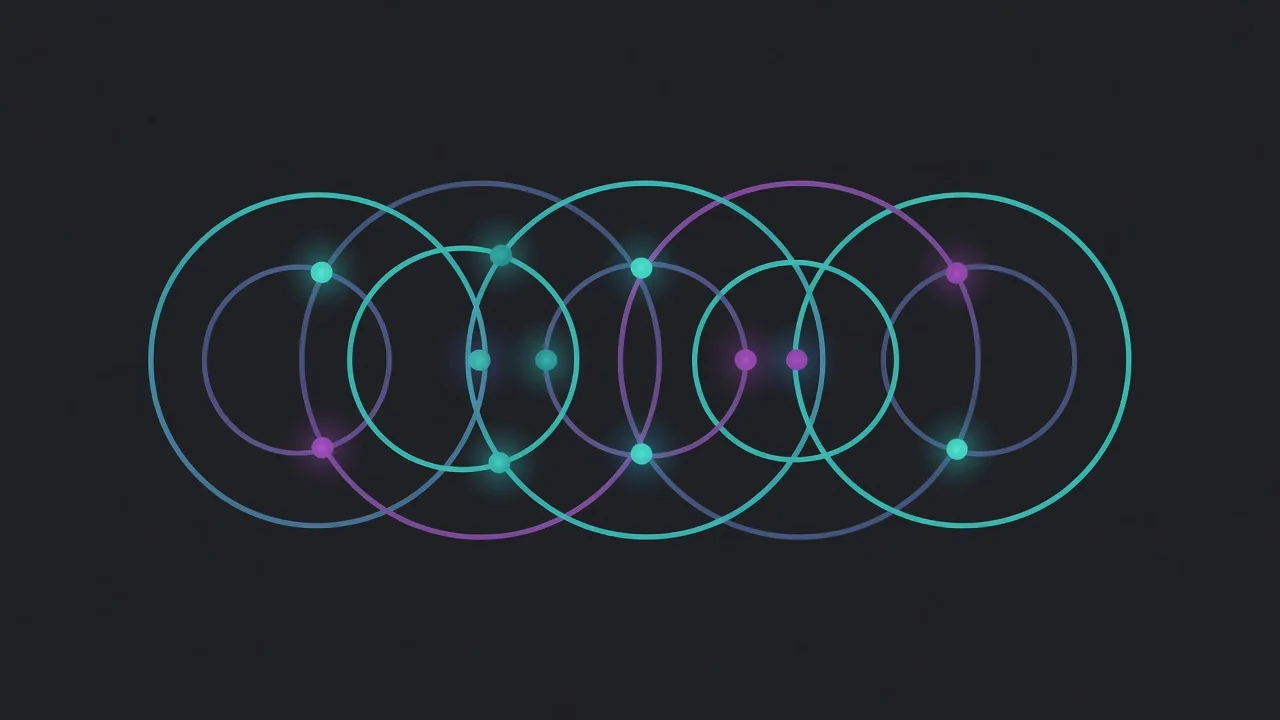
Think of a growth loop as a closed circuit where output from one stage becomes input for the next. The best ones reduce reliance on paid channels while improving over time. After those initial ten customers, the real work begins: mapping your customer journey, identifying leverage points, and instrumenting the right metrics to track loop velocity.
Identifying the Right Loop for Your Model
Start by analyzing your product’s natural behaviors. A project management tool might thrive on collaboration loops—when one user invites teammates, usage increases and those teammates become advocates. A consumer marketplace might rely on inventory loops where more sellers attract more buyers, who in turn attract more sellers. The key is matching the loop to your core value proposition rather than copying what worked for others.
After your first ten customers, run a cohort analysis to spot patterns. Look at how quickly users invite others, how retention curves bend based on specific triggers, and which features correlate with viral coefficients above 0.8. In 2026, teams using AI-powered behavioral analytics can detect these signals within days instead of weeks.
Engineering and Sequencing Your Loops
Build loops in deliberate sequence. First, nail retention—nothing compounds if users churn after week one. Aim for 40% retention at day 30 before investing heavily in referral mechanics. Once retention stabilizes, layer on acquisition loops that leverage existing users without degrading their experience.
Measure three core metrics religiously: loop velocity (how many days to complete one full cycle), efficiency (output per input), and payback period. Leading companies in 2026 target CAC payback under 4 months for self-serve models and maintain net revenue retention above 115%. Track these weekly, not monthly.
| Loop Type | Typical Velocity | 2026 Benchmark | Key Metric |
|---|---|---|---|
| Referral | 14-21 days | 1.2x multiplier | k-factor > 0.9 |
| Content | 30-45 days | 28% MoM traffic growth | Organic signups per article |
| Usage | 7-14 days | 65% feature adoption | Weekly active days |
| Partnership | 60-90 days | 22% of new revenue | Partner-sourced ARR |
- Map every customer touchpoint to potential loop entry points
- Remove friction at the moment of highest emotional investment
- Instrument events that signal loop completion
- Test one loop variable at a time with clear success criteria
- Review loop health in every leadership meeting
Optimizing for Compounding Returns
The magic happens when loops reinforce each other. A strong usage loop improves retention, which strengthens referral loops, which brings in higher-quality users who engage more deeply. In 2026, teams that connect these systems see exponential rather than linear growth curves.
Don’t chase every shiny tactic. Pick one primary loop, make it exceptional, then layer complementary cycles that amplify the first. The founders pulling ahead aren’t necessarily spending more on acquisition—they’re simply wasting less by building systems that improve with scale. Start small, measure obsessively, and let the loops do the heavy lifting.