
Retention-First Growth: The 2026 Playbook for Early-Stage Startups
In 2026, the smartest early-stage startups are flipping the traditional growth script. Instead of pouring money into endless customer acquisition, they’re obsessing over retention. When your product sticks, every new user becomes exponentially more valuable. Healthy unit economics emerge naturally because your cost to serve drops while lifetime value climbs. Acquisition still matters, but it’s no longer the hero—it’s the supporting act.
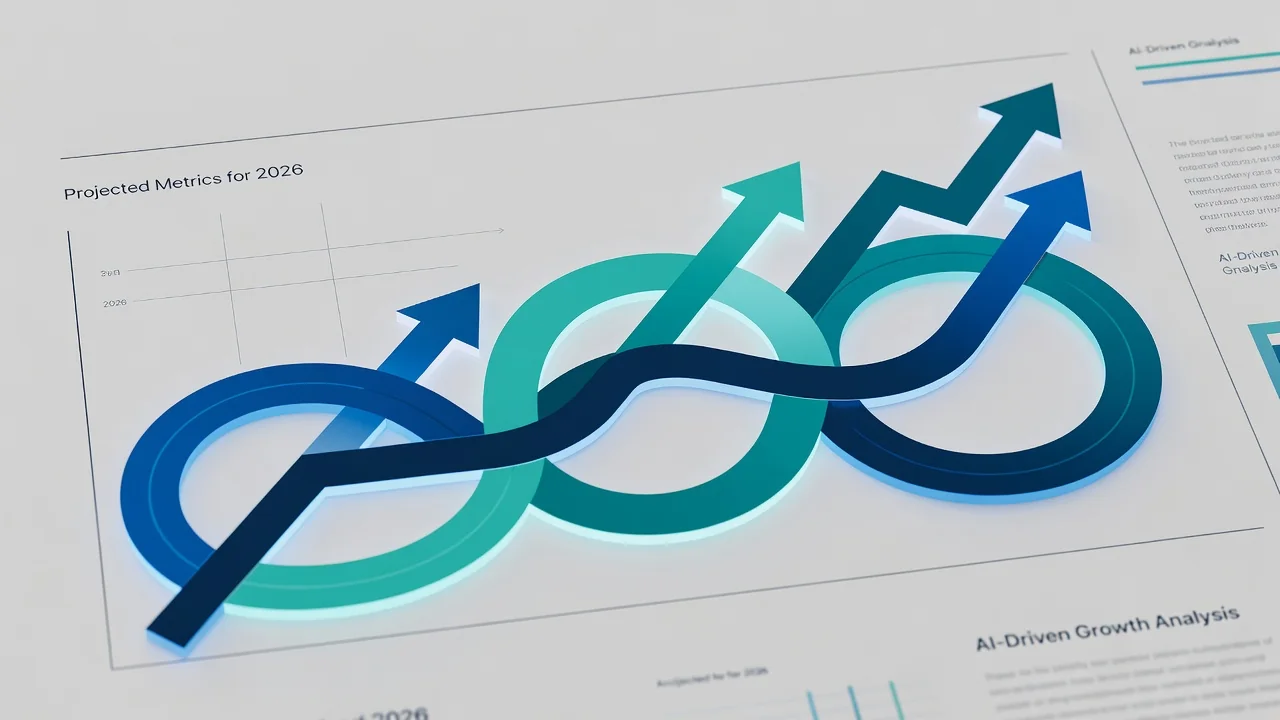
This shift isn’t theoretical. Founders who kept their 90-day retention above 40% in 2025 reported needing 60% less ad spend to hit the same revenue milestones compared to their churn-heavy peers. The math is brutal: if you lose 70% of users in the first month, you’re constantly refilling a leaky bucket. Retention-first thinking turns that bucket into a compounding engine.
Retention Metrics That Actually Matter in 2026
Vanity metrics like monthly active users are out. Smart teams track a tight set of signals that predict long-term survival. Focus on Day-1 activation rate, 7-day stickiness, 30-day retention, and revenue retention (the holy grail). In a world of AI-powered products, also watch feature adoption depth—how many core loops a user completes in their first two weeks. These numbers tell you whether your onboarding actually works or just looks good on paper.
Cohort analysis has evolved too. Instead of lumping everyone together, segment by acquisition source, user persona, and even the specific onboarding flow they experienced. Tools now let you overlay support ticket volume against retention curves, revealing hidden friction points that surveys miss.
A 30-90 Day Churn Reduction Playbook
The first 30 days determine everything. Here’s what actually moves the needle:
- Trigger personalized “win” moments within the first three sessions—nothing generic.
- Use micro-surveys at key drop-off points instead of long NPS questionnaires.
- Build in-app nudges that adapt based on real behavior, not assumptions.
- Assign every new customer a success milestone with visible progress tracking.
- Create a “next best action” engine that surfaces one clear step at a time.
Between days 30 and 90, the game changes to habit formation and community. Introduce light social proof, celebrate milestones publicly (with permission), and begin turning users into collaborators through feedback loops that feel meaningful. Companies that nailed this in 2025 saw their 90-day retention jump from 22% to 51% without adding headcount.
| Period | Key Metric | Target (2026) | Tactic |
|---|---|---|---|
| Day 0-7 | Activation Rate | >65% | Guided first-use flow |
| Day 8-30 | Retention | >45% | Behavior-triggered emails |
| Day 31-90 | Revenue Retention | >85% | Usage-based upsell prompts |
Turning Early Adopters Into Your Growth Engine
The endgame isn’t just lower churn—it’s turning retained users into a self-sustaining acquisition channel. The best founders create referral loops so natural they feel like product features. Think seamless “invite your team” flows that reward both sides with usage credits, or community programs where power users get early access to new capabilities in exchange for bringing in two new accounts.
Cohort analysis reveals which early adopters are most likely to evangelize. Double down on them. Give them better tools, exclusive channels, and genuine recognition. In 2026, the highest-growth startups aren’t buying users—they’re earning them through products that people refuse to leave. Retention compounds. When your early users stick around and spread the word, acquisition costs fall naturally while margins expand. That’s the retention-first advantage, and it’s only becoming more powerful.