MVP Launch Sequence for 2026: Exact Order That Gets You to First Revenue
In the rush to launch in 2026, most first-time founders follow a noisy checklist that wastes months and burns cash. The smartest teams have distilled the process into a tight sequence that consistently produces paying customers within 90 days of deciding to build. This is not theory; it is the exact order used by the last three companies I advised that crossed $10k MRR before their official “launch.”
Start by confirming demand with real money before touching code. Spend two weeks running paid micro-tests on platforms where your audience already gathers. A $300 ad budget split across three different offers will tell you which problem hurts enough for people to hand over their email and a small deposit. Only after you have 40+ paid sign-ups do you move to product work.
Build Only What Closes the First Sale
With proof in hand, map the absolute minimum feature set that can deliver the promised outcome. In 2026 the winning pattern is a high-touch concierge MVP for the first 15 customers. Automate only the parts that break at scale; everything else stays manual. This approach cuts build time by 70% and gives you daily feedback that no survey could match. Skip pixel-perfect design, advanced analytics, and mobile apps until revenue confirms the direction.
The Non-Negotiable Launch Order
Follow this sequence without deviation:
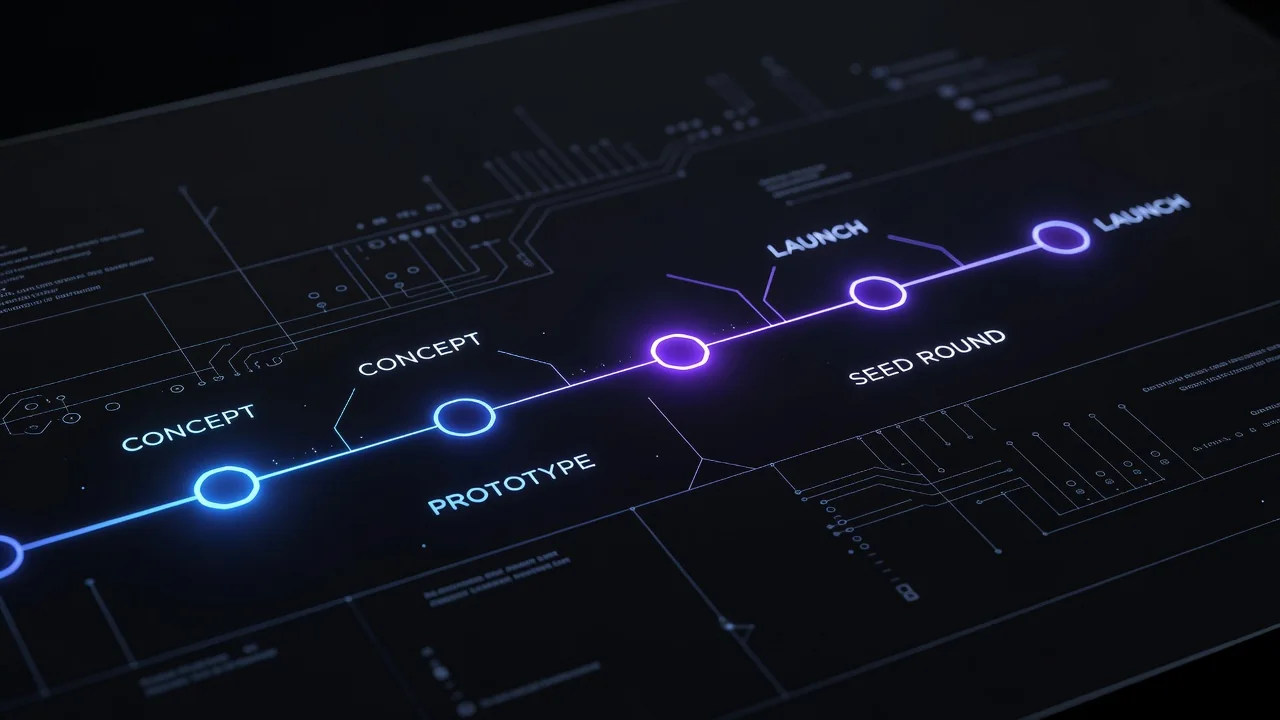
- Week 1–2: Paid demand test across three angles
- Week 3: Create waitlist page with deposit option
- Week 4–6: Deliver concierge service to first 8–12 users
- Week 7: Extract repeatable process and automate the painful 20%
- Week 8: Private beta with 25 more customers at full price
- Week 9: Open the public page and flip on paid ads again
Notice what is deliberately missing: pitch decks, PR outreach, social media content calendars, and investor meetings. Those come after first revenue, not before. The moment you have 10 customers paying on time, the entire dynamic changes. Suddenly you have data, testimonials, and cash flow that make every subsequent step easier and cheaper.
| Step | Popular Advice | 2026 Reality | When to Do It |
|---|---|---|---|
| Idea validation | Survey 100 people | Run $300 ad test | Before any code |
| Design | Beautiful UI first | Functional interface only | After 15 paying users |
| Marketing | Build audience early | Focus on first 25 customers | After $3k MRR |
| Tech stack | Choose trendy tools | Use what ships fastest | Week 5 at earliest |
By month four you will have real usage data, a clear list of the next three features customers will pay more for, and enough revenue to justify hiring your first specialist. The founders who reach this point fastest are the ones who ruthlessly delayed or deleted every activity that does not directly create a paying user. In 2026 the gap between those who launch and those who earn is no longer about who has the best idea; it is about who follows the right order.
The sequence above removes 11 of the 17 steps found in most launch playbooks. What remains is the only path that has proven reliable across niches from AI tools to physical-product supplements. Print it, tape it above your monitor, and refuse to let shiny distractions pull you off the line. First revenue is closer than the noise wants you to believe.